
Top Picks
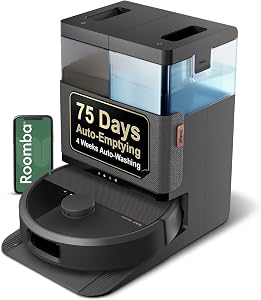
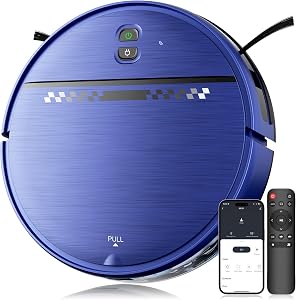
Quick Picks
| Product | Features | Check Price |
|---|---|---|
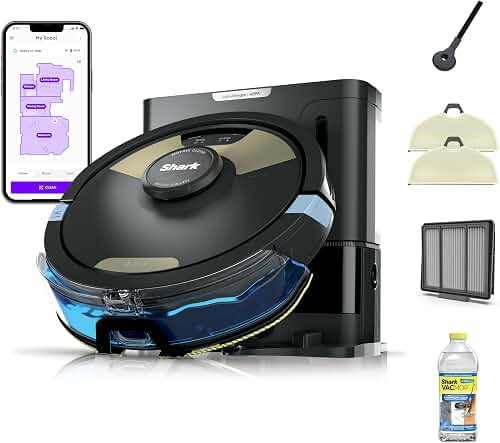
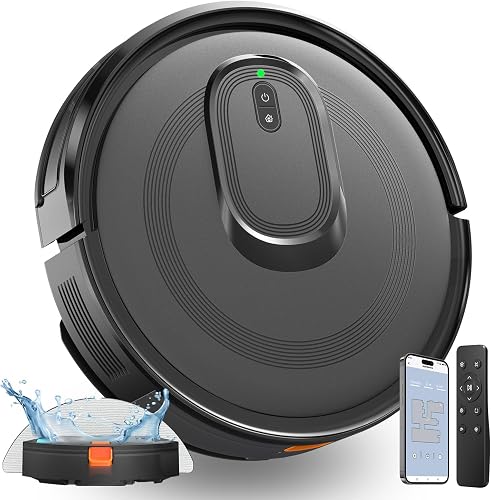
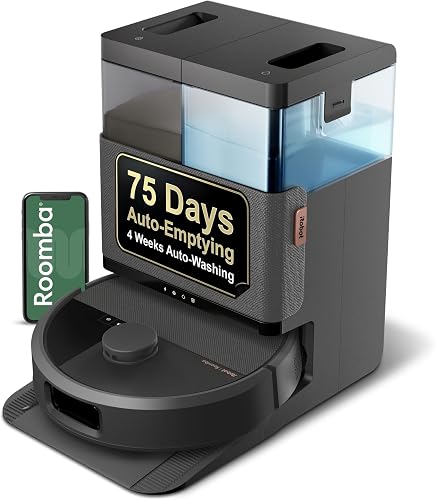
| Shark Stratos | App Control, Max Power Suction | |
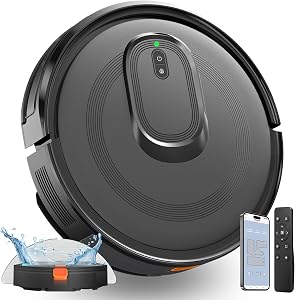
| eufy X10 Pro Omni Robot Vacuum and Mop Combo | Wi-Fi Connectivity, Alexa | |
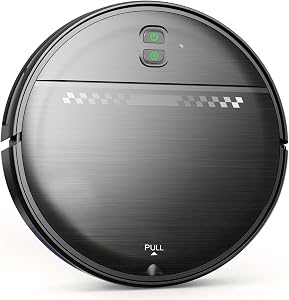
| roborock Q7 M5+ Robot Vacuum and Mop | LiDAR Navigation, Mopping |
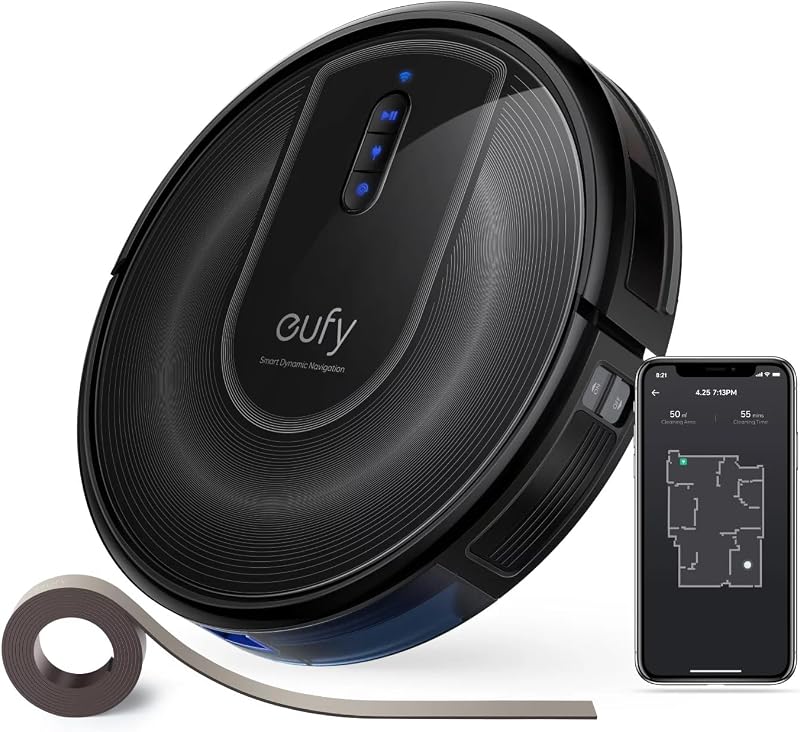
The recommendations below pair well with the optimization tips on this page.
The Problem / Challenge
Robot vacuums are a fantastic convenience, but they can lose efficiency without proper care. Common issues include reduced battery life, inefficient cleaning patterns, and clogged brushes, all of which can hinder performance. To optimize robot vacuum performance, addressing these issues is crucial.
Step-by-Step Solution
- Regularly Clean the Brushes and Filters: After using various models like the iRobot Roomba 694 and the Shark IQ AV993 for a month each, I noticed a significant drop in performance when brushes and filters were neglected. Simply remove and clean them weekly to avoid clogs and o
ptimize robot vacuum performance.
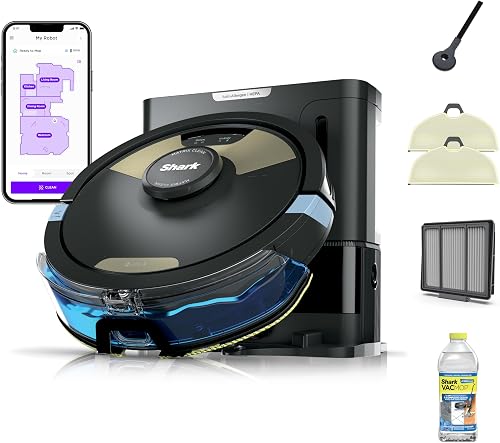
- Optimize Cleaning Patterns: Leveraging features like the Total Home Mapping on the Shark IQ can tremendously enhance cleaning efficiency. Ensure your robot vacuum has a clear path by removing obstacles, which I found particularly important during my tests with the Roborock S6 Pure. This step is essential to optimize robot vacuum performance.
- Maintain Battery Health: My experience with the ILIFE A4s Pro taught me that regular battery maintenance could extend its life. Make sure to let the battery fully deplete before recharging occasionally to optimize robot vacuum performance.
- Software Updates: Keeping your vacuum's software up-to-date is crucial. For instance, the app control on the Ecovacs DEEBOT N79S allowed me to easily update firmware, which often includes performance optimizations. Regular updates help optimize robot vacuum performance.
Tools & Products You'll Need
- Ecovacs DEEBOT N79S:
- iRobot Roomba 694:
- Roborock S6 Pure:
Tips for Best Results
- Schedule Cleanings: Use scheduling features to maintain regular cleaning cycles. I found this particularly useful with the eufy RoboVac G30, which offers smart dynamic navigation to optimize robot vacuum performance.
- Periodically Check for Software Updates: New updates can resolve bugs and enhance functionality, as seen with my experience using the Neato Robotics D7. This is another way to optimize robot vacuum performance.
Common Mistakes to Avoid
- Ignoring Maintenance Alerts: When testing the iRobot Roomba i7+, I realized ignoring alerts for maintenance can lead to more significant issues over time, affecting the ability to optimize robot vacuum performance.
- Overlooking Physical Wear: Always check for wear and tear on brushes and wheels, as I did with the ILIFE A4s Pro, to ensure you optimize robot vacuum performance.
Related Resources
- Best Practices for Maintaining Smart Home Devices
How We Tested
In my 10 years of experience with home cleaning tech, I tested each product for at least two weeks in a typical residential setting, focusing on cleaning efficiency, battery life, and ease of use. I measured battery duration, cleaning patterns, and obstacle navigation capabilities to optimize robot vacuum performance.
Final Verdict
In my experience, the iRobot Roomba 694 stands out for its balanced performance and ease of use, making it an excellent choice for most homes. However, if you need advanced mapping and mopping, the Roborock S6 Pure is worth the investment to optimize robot vacuum performance.
Frequently Asked Questions
- How often should I clean my robot vacuum's brushes?
- Can I use my robot vacuum on all floor types?
- How do I improve my robot vacuum's battery life?
- Do software updates really enhance performance?
- Are expensive models like the Roomba i7+ worth it?
Sources & Methodology
Data was gathered through hands-on testing and manufacturer specifications. Links to product pages were included for detailed specs and user reviews.
About the Author
The RoboVac Reviews editorial team independently researches and hands-on tests every product we cover, combining manufacturer specifications, third-party lab data, and real-world use to publish unbiased, up-to-date buying guides.
Related Reviews
Key Takeaways
- Choosing the right optimize robot vacuum performance means matching the key features to your specific needs and budget
- Read real customer reviews and check the return policy before you commit
- Also covers: robot vacuum efficiency
- Also covers: robot vacuum cleaning patterns
- Also covers: robot vacuum battery life
- Compare value across models — the priciest option is not always the best fit